

LETTER | There is a strange contradiction at the heart of Malaysia’s approach to adult content.
We tell platforms to classify programmes, warn viewers, provide parental controls and keep children away from material meant for adults.
Then, when adults actually choose to watch content marked for those above 18 years of age (18+), we sometimes behave as though none of these mattered.
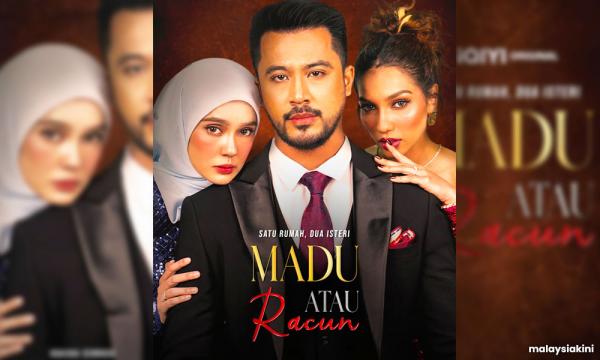
I will use the latest Malay drama “Madu Atau Racun” (Honey or Poison) controversy as an example.
The temperature rose because scenes were interpreted as depicting a same-sex relationship. Religious objections followed quickly, and before long, the series was taken down, re-edited and reviewed.
So let us be clear about the question.
Are we regulating unlawful or harmful content, or deciding which moral choices Malaysian adults should be allowed to encounter on screen? There is an important difference.
If content is illegal, enforce the law. If it breaches an applicable content standard, identify the standard and act accordingly.
But if the objection is that a theme is morally or religiously unacceptable, even when presented to an adult audience, then we are having a different debate altogether.
And perhaps we should have that debate honestly.

Adult dramas routinely depict things that many religions prohibit or regard as immoral such as adultery, premarital sex, alcohol, gambling, betrayal, and violence.
We normally understand that depiction is not necessarily endorsement. A character drinking alcohol does not automatically turn a drama into an advertisement for drinking.
A story about adultery does not mean the producer is encouraging adultery.
LGBTQ+ content?
So why does LGBTQ+-related depiction appear to trigger a different threshold?
That question is not an attack on Islam, religious authorities or Malaysians who strongly disagree with LGBTQ+ relationships. They are entitled to those views. We all have our own personal convictions about LGBTQ+ relationships.
But there is a difference between saying, “My religion tells me I should not watch this,” and saying, “Because my religion objects to this, no adult should be allowed to watch it.”
That distinction matters, especially in a multireligious country.
It also matters because “Madu atau Racun” was not presented as children's programming. It was offered on an on-demand platform for viewers aged 18 and above.
If the concern is that children may nevertheless gain access, then fix that problem.
Demand stronger age assurance. Make parental controls easier to use. Require clear content warnings.
Hold platforms accountable when their safeguards fail. However, do not quietly turn a child-protection argument into a restriction on adult viewing.

Otherwise, what exactly is an 18+ classification for? Surely it exists because we accept that some material may be inappropriate for children while still being available to adults.
An 18+ label does not override Malaysian law. Nor should it.
However, if content meant for adults must ultimately satisfy the same moral comfort level expected of content for the whole family, then the classification becomes almost meaningless.
Viral clips without context
There is another issue we rarely confront.
A great deal of the supposedly dangerous material in these controversies reaches children not through the original platform, but after adults extract the scenes, repost them, condemn them, sensationalise them and push them across social media.
The original programme may have carried an age restriction and warning. The viral clip usually does not. If we are serious about protecting children, that part of the ecosystem deserves attention too.
None of this means morality has no place in content policy. Malaysia has its own social, cultural and religious context, and international platforms operating here should understand that.
But moral disagreement cannot become an automatic substitute for a clear rule. Otherwise, the boundary of acceptable content will constantly shift according to which group is angriest, which clip is trending and which issue politicians find most uncomfortable that week.
That creates a particularly troubling precedent when LGBTQ+ themes are involved.

If such content is subject to a special threshold that does not apply to other forms of conduct considered immoral or religiously prohibited, then say so.
Debate it democratically and put the rule in writing. Define its scope. Apply it consistently.
At least producers, platforms and viewers would know where they stand.
What is harder to defend is a system that speaks the language of ratings, audience choice and parental controls, but allows all three to be overridden once enough moral outrage is generated.
What is the deal?
The real question raised by “Madu atau Racun” is therefore not whether everyone should approve of what appeared on screen.
Of course they will not.
The question is whether disapproval should automatically determine what other adults are permitted to see.
READ MORE: Exercise creative freedom responsibly, says Finas chairperson
Religious authorities are entitled to advise on morality. Parents are entitled to decide what their children may watch. Individuals are entitled to switch off, unsubscribe, complain or refuse to watch something they find offensive.
But deciding what every adult should be permitted to access is a much more significant exercise of power.

If certain content is prohibited even for adults, Malaysia should say so clearly and regulate it transparently.
Otherwise, if moral outrage can override classification, safeguards and adult choice whenever a controversial subject appears, then we should stop pretending this is only about protecting viewers.
We should call it what it is. Morality policing.
The views expressed here are those of the author/contributor and do not necessarily represent the views of Malaysiakini.